

D M C : ค้นหาหนังสือธรรมะ หน้า 178 / 265
หน้าหนังสือทั้งหมด
146
Journey to Joy
Journey to Joy
world at the same time. In this
way,
I feel happier
146
than if I were meditating alone.
After finishing meditation, I was so delighted.
I felt pure and perfect happiness. I retained th
In 'Journey to Joy', the author reflects on the remarkable happiness derived from meditating with others. This collective experience fosters a deeper connection to the inner self, resulting in lasting
148
Journey to Joy
Journey to Joy
148
"Whenever we are sad, dealing with
a loss or a disappointment that causes
sorrow and distress, we can meditate to
keep our mind calm, focused and positive
as well as to provide us w
In moments of sadness or disappointment, meditation serves as a powerful tool to maintain calmness and positivity. It cultivates willpower inspired by profound wisdom, aiding in our understanding of l
149
Hope and Willpower: Understanding Our Resilience
Hope and Willpower
Source of Willpower
Te are born as human beings and it
Wis
is natural that we have to confront
both positive and negative changes throughout
our lives. No matter what economic or so
We all face positive and negative changes throughout our lives. Regardless of our backgrounds, experiencing crises is a shared human condition. Suffering is ever-present, from minor frustrations to si
150
Journey to Joy
Journey to Joy
150
things is not the correct way to resolve one's
problems. If we have to face misfortune over
and over again, we would have to go through
the same distress because our minds lack
the
This passage emphasizes the importance of developing mental strength to face life's adversities. It explains how repeated misfortunes can lead to distress if we do not strengthen our minds. Meditation
154
Journey to Joy
Journey to Joy
154
My name is Pat Goski. I am a 52 year-old
American working as a registered nurse. I was
raised in the Catholic tradition, converted to a
more fundamental type of Christianity and hav
My name is Pat Goski, a 52-year-old American nurse. After the tragic loss of my son on November 27, 2004, I faced immense pain and devastation. Despite losing my job, income, and friends, I continued
157
Hope and Willpower
Hope and Willpower
there were no boundaries of being, but a feeling
of 'expansiveness', and of being connected with
all living things in the world. I felt comfort, love
and serenity a condition that w
The text describes a meditative experience where the author feels a profound sense of expansiveness and connection to all living things. As meditation deepens, the author experiences clarity and brigh
159
Hope and Willpower in Meditation
Hope and Willpower
For those among you who are new to the
practice of meditation, I would like to encourage
you to continue your practice, and not be
discouraged. In the beginning, it may be very
diff
สำหรับผู้ที่เพิ่งเริ่มฝึกการทำสมาธิ ฉันอยากสนับสนุนให้คุณดำเนินการต่อไป และไม่รู้สึกท้อแท้ ในช่วงแรก อาจจะยากที่จะทำให้จิตใจสงบ แต่ฉันขอรับประกันว่าด้วยการฝึกฝนอย่างต่อเนื่อง คุณจะสัมผัสถึงความสงบที่ย
169
Hope and Willpower
Hope and Willpower
From the moment I woke up until I went to
bed, I spent most of my time in the wheelchair. In
the beginning, I had to teach myself to get onto
the wheelchair by myself, because I was
เนื้อหาเล่าถึงการต่อสู้และความมุ่งมั่นของผู้เขียนในการใช้ชีวิตในเก้าอี้รถเข็นหลังการผ่าตัด แม้จะมีความยากลำบากในการเข้าถึงน้ำและอาหาร แต่ผู้เขียนยังคงต้องดูแลลูกๆ และต่อสู้กับบาดแผลต่างๆ ด้วยความหวังแ
171
Hope and Willpower: Overcoming Pain Through Meditation
Hope and Willpower
sit and watch over the store. I was very tired and
exhausted. My body was tired and worn because
I had to carry out repeated activities. I felt pain
at the point where my legs were
ในช่วงเวลาที่มีความทุกข์ที่สุด ฉันได้พบกับความเปลี่ยนแปลงที่ดีขึ้นผ่านการดูรายการ DMC และการทำสมาธิอย่างต่อเนื่องที่บ้านในอำเภอแม่สาย จังหวัดเชียงราย แม้ว่าจะต้องทนทุกข์เป็นเวลานาน แต่วันนี้ฉันรู้สึกม
175
Hope and Willpower
Hope and Willpower
My meditation experience continued to
improve. It was very crisp, clear and bright. When
I met with the accident, I lost both my legs and
my husband. At that moment, I felt like I h
The passage recounts the author's journey through grief after losing both her legs and her husband in an accident. Meditation becomes her daily refuge, performed on a wheelchair or bed. Despite challe
177
Hope and Willpower: The Path to Inner Peace
Hope and Willpower
sent donations to make every merit with Luang
Phaw Dhammajayo and have never missed a
single merit.
I love the inner crystal body because it is the
only thing that makes my heart ca
การสนับสนุนจากหลวงพ่อธัมมาจารย์ช่วยให้ฉันมีความรู้สึกสงบและอบอุ่นในใจ ฉันได้เรียนรู้วิธีการใช้เจตจำนงในชีวิตประจำวันผ่านโปรแกรม DMC ซึ่งทำให้ชีวิตของฉันมีความ Radiant และสามารถสร้างแรงบันดาลใจให้ผู้อื
178
Journey to Joy
Journey to Joy
178
because of the inspiring DMC programme that I
watch daily and also because I have attained the
inner Dhammakaya.
Sometimes I would be a kalyanamitta or
virtuous fellow to others who
This narrative reflects on the transformative power of the DMC programme and the inner peace achieved through Dhammakaya meditation. It highlights the story of a customer contemplating suicide due to
179
Hope and Willpower in Finding True Refuge
Hope and Willpower
urged him to make merit and to meditate. Now,
he understands better.
The most important thing for me is that
I've found the true refuge in my life which is
also the real objective o
ข้อความนี้พูดถึงความสำคัญของความหวังและพลังในการทำเพื่อหาที่พึ่งทางจิตใจที่แท้จริงในชีวิต ซึ่งเป็นเป้าหมายหลักในการเกิดเป็นมนุษย์ นั่นคือการบรรลุธรรมกายในตัวเอง หากไม่มีสิ่งนี้อาจไม่มีพลังที่จะดำเนินช
181
Discovering Inner Wisdom through Meditation
Wisdom
CC
A person who earnestly meditates and
attains the Dhammakaya will discover that
wisdom lies within. When we meditate, a
bright light will emerge. We will be able
to see this inner light as cl
In his teachings, Luang Phaw Dhammajayo emphasizes that through earnest meditation, individuals can attain the Dhammakaya and uncover the wisdom within themselves. This practice unveils a bright light
183
Discovering Inner Wisdom through Dhammakaya Meditation
Wisdom
that their thoughts and speech originate from a
pure and powerful source.
A person who earnestly meditates and attains
the Dhammakaya will discover that wisdom lies
within. When we meditate, a
This text discusses how meditation and the attainment of the Dhammakaya lead to the discovery of inner wisdom. It describes how through meditation, one can perceive a gentle inner light, reminiscent o

185
The Transformative Power of Meditation
It is interesting to read the stories of people
who practised meditation and discovered that
it has helped them solve various difficulties in
their lives. Not only have they found home and
professiona
Meditation has been a transformative practice for many individuals, providing them with tools to navigate life's challenges. By integrating meditation into their daily routines, people have reported e
186
Journey to Joy
Journey to Joy
186
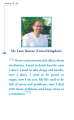
Mr. Leon Bourne (United Kingdom)
""I have noticed some side effects from
meditation. I used to drink heavily, now
I don't. I used to take drugs and smoke,
now I don't. I used to be
In this excerpt from 'Journey to Joy,' Mr. Leon Bourne shares his personal journey of transformation through meditation. He reflects on how the practice has helped him overcome heavy drinking, drug us
187
Exploring Existence Through Loss and Meditation
Wisdom
I have always known that our physical
presence, as we know it, is not all there is to life.
I lost my father when I was eight years old. This
was my first experience with death and it affected
This narrative delves into the profound effects of losing a loved one and the quest for deeper understanding beyond physical existence. The author shares personal experiences of grief and the search f
189
Transformative Experience Through Meditation
Wisdom
A few years before I went to Germany, I
had what I call my first life-changing experience
through meditation and it blew me away! I was
meditating almost daily at this time and on
three separat
The narrator recounts their first life-changing experience with meditation, where they reached profound states that prompted them to halt their sessions early. With time, they embraced the unknown dep
190
Journey to Joy
Journey to Joy
190
wary
of taking that next step. What happened was
the hardest thing imaginable to put it in words.
I felt like I had stepped off my imaginary cliff,
but instead of falling, I was swe
In this passage, the author describes a profound experience of stepping into a realm of peace and joy, surrounded by white light and familiar spirits. This journey evokes feelings of excitement and tr